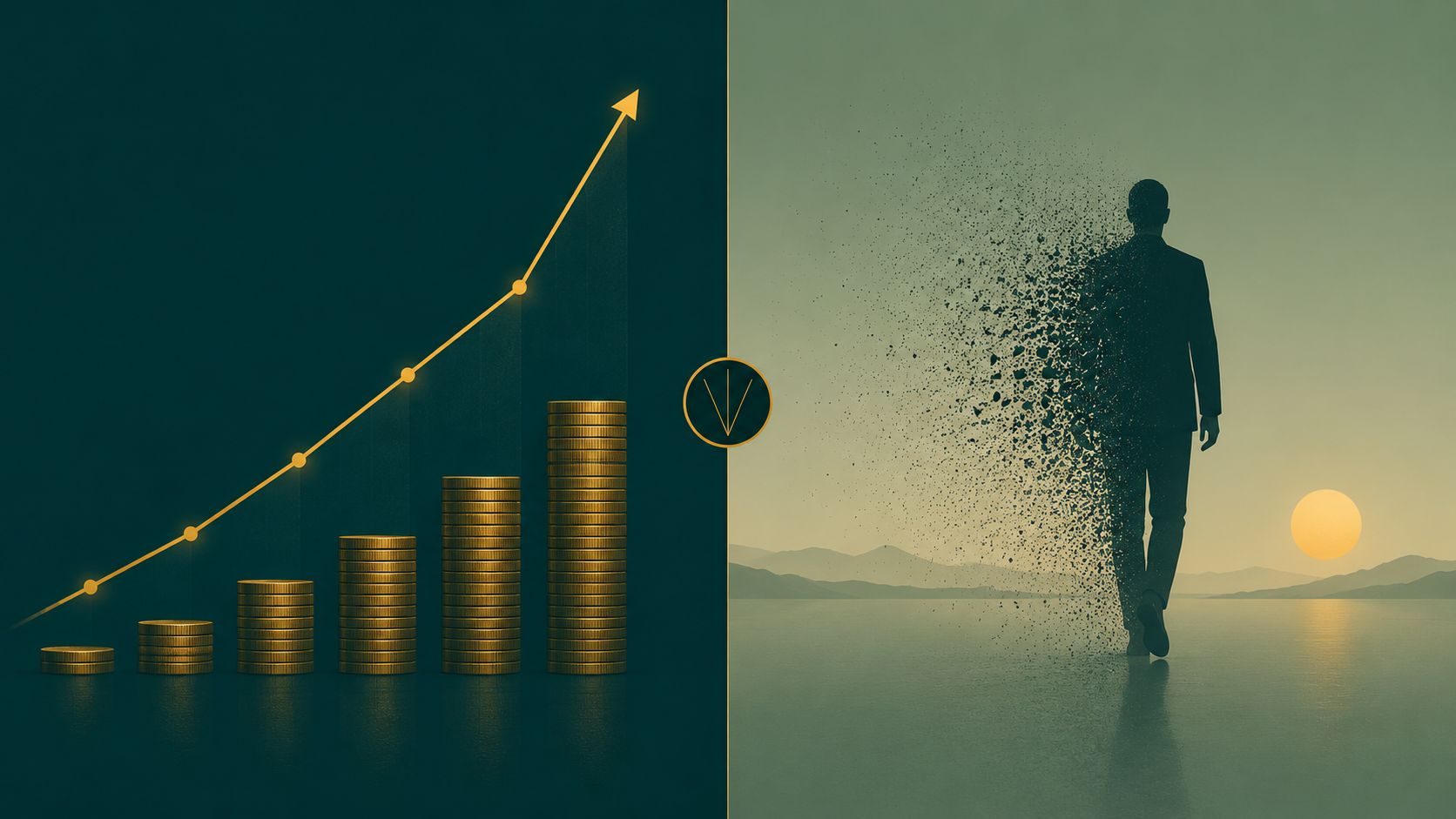
Asia has mastered one side of wealth that the West often gets wrong: discipline. But the West has developed another idea that deserves more attention: wealth is supposed to buy freedom while you're still alive. Here's what ambitious people on both sides can learn from each other.
In this article:
Why Asian wealth culture prioritizes accumulation
Where extreme work culture becomes counterproductive
What Western culture gets right about enjoying wealth
The five principles worth combining
What this means for ambitious investors
Two strengths, two blind spots
The West admires Asia's discipline, work ethic, and long-term thinking - and rightly so.
Many Asian cultures respect capital. They avoid unnecessary consumption. They think in generations, not quarters. Family comes before individual ego. These are real strengths.
About the author

Tomas Vyšniauskas is a professional trader and founder of Sovereign Prosperity.
Trading full-time since 2021, he manages capital with a focus on disciplined growth and controlled downside.
His work is built around a simple goal: helping people make their existing capital work harder without sacrificing the freedom that wealth is supposed to create.
But every strength casts a shadow. If the West could learn financial discipline from Asia, maybe Asia could learn something just as valuable from the West: success is supposed to improve your life, not replace it.
When hard work quietly becomes an identity
The Asian strength: discipline and relentless work ethic.
The problem: discipline can quietly turn into identity.
The consequence: people start measuring their worth by productivity alone.
Across much of Asia, working extremely hard is treated as a virtue. Long office hours signal commitment. Sleeping at your desk can almost be a badge of honor. Being constantly busy gets read as ambition.
The problem is that your body doesn't care about cultural expectations. Eventually, it sends you a bill.
Japan even has a word for death caused by overwork: karoshi. An entire society needed to invent a word for it - that alone tells you it stopped being an isolated tragedy and became a category.
South Korea has wrestled with the same issue. China's "996" culture - 9 a.m. to 9 p.m., six days a week - became so widespread it sparked public debate, including from successful entrepreneurs themselves.
The intention is understandable: work hard, provide for your family, build a better future. But somewhere along the way, many people postpone living until tomorrow. Tomorrow becomes next year. Next year becomes retirement. Retirement sometimes never comes.
I nearly made the same mistake
When people hear I'm a professional trader, they picture freedom: flexible schedule, working from anywhere, financial independence.
What they don't picture:
Thousands of hours staring at charts
Constant mental pressure and self-doubt
Years where progress felt painfully slow
I pushed myself hard learning under one of the world's greatest traders. The curve was brutal, and I developed stress-related health issues I still manage today - because professional trading is one of the most mentally demanding professions there is.
Ironically, the profession I'd chosen to build more freedom started taking freedom away.
That realization changed something. I didn't want to build a business that just helped people accumulate bigger numbers. I wanted to help people build lives they could actually enjoy - because if wealth costs you your health, your marriage, your children, or your peace of mind, you haven't solved the problem. You've just traded one prison for another.
That's the belief Sovereign Prosperity is built on: wealth should give you your time back, not consume it.
See how Sovereign Prosperity approaches active capital management →
Some of the world's most successful people reached the same conclusion
Jack Ma - celebrated intense commitment in Alibaba's early years. After stepping back, his focus shifted to education, philanthropy, and simply living. Money stopped being the destination. It became a tool.
Warren Buffett - has built extraordinary wealth, but defines success by one question: do the people he wants to love actually love him back? Simple. Not easy.
Steve Jobs - reportedly reflected, late in life, that wealth couldn't replace health or relationships. Whether every quote attributed to him is authentic is beside the point. The pattern keeps repeating: people spend decades chasing success, only to realize they were chasing freedom all along.
Wealth is a means. Never the destination.
One question changed how I think about money: what is wealth actually for?
Ask ten people and most give some version of the same answer - security, freedom, travel, time, helping family. Nobody says they want a large account just to admire the numbers. The numbers are meaningless on their own. They matter because of what they let you experience.
This is why I don't side with either extreme. Some people worship money. Others reject it entirely. Both positions are incomplete, because money matters precisely because life matters. It buys experiences. It creates options. It buys time - and time is what lets you become a better parent, a healthier spouse, a calmer human being.
Money is important. Just don't confuse it with the purpose of life itself.
Build systems that protect your life
One pattern keeps showing up among highly successful professionals: the wealthier they become, the more they strip unnecessary complexity out of their lives. Attention becomes their scarcest resource.
The same principle applies to investing.
If your career already demands everything from you, adding a second full-time job by trying to master financial markets from scratch isn't the best use of your time. It's why entrepreneurs, executives, doctors, and business owners eventually turn to specialists. You wouldn't perform surgery on yourself after watching a few YouTube videos - managing serious wealth deserves the same humility.
Your job is to build the business. Your wealth should have its own professional system.
Five practical lessons Asia can borrow
Schedule life before work fills the calendar. Family dinners, weekend trips, exercise, friendships - if they aren't scheduled, work usually wins.
Measure energy, not only income. Ask yourself each month: more energy than six months ago, or less? Energy compounds just like money.
Buy back time whenever possible. Delegate. Automate. Outsource. Professional wealth isn't about doing everything yourself - it's about focusing on what only you can do.
Protect your health like an investment portfolio. Sleep, movement, nutrition, stress management. Destroying your body to build wealth is like burning your house down to stay warm. It works. Briefly.
Regularly ask one uncomfortable question. If I keep living exactly like this for another ten years, will I be proud of the outcome? Often more useful than any financial forecast.
Your wealth should work for the life you're building
Building wealth and enjoying life don't have to be opposing goals.
For people who already have substantial capital, the question isn't simply where to invest. It's how to structure wealth so it can grow without consuming more of your time and attention.
That's the problem Sovereign Prosperity exists to solve.
Explore our approach to active capital management
About the author
Tomas Vyšniauskas is a professional trader and founder of Sovereign Prosperity.
Trading full-time since 2021, he manages capital with a focus on disciplined growth and controlled downside.
His work is built around a simple goal: helping people make their existing capital work harder without sacrificing the freedom that wealth is supposed to create.
How fast is your wealth growing?
Select your current annual growth figure:
You're leaving your wealth growth to chance. You're barely outpacing inflation and you're unlikely to grow your wealth to the next meaningful milestone. You're working for the banks but not for yourself. If you'd like to fix this, download our free report - The Silent Wealth Engine - below.
You're doing something right but you're still leaving your wealth growth to chance. You're outpacing inflation but getting the leftovers that are not inspiring. You're still unlikely to grow your wealth to the next meaningful milestone. If you'd like to fix this, download our free report - The Silent Wealth Engine - below.
Congratulations, you're doing well - better than the majority of investors. You're well above the inflation rate. You're likely to grow your wealth to the next meaningful milestone. If you'd like to learn how to maintain your current trajectory in a wiser way or even grow beyond your current limits, download our free report - The Silent Wealth Engine - below.
More from Wealth Intelligence
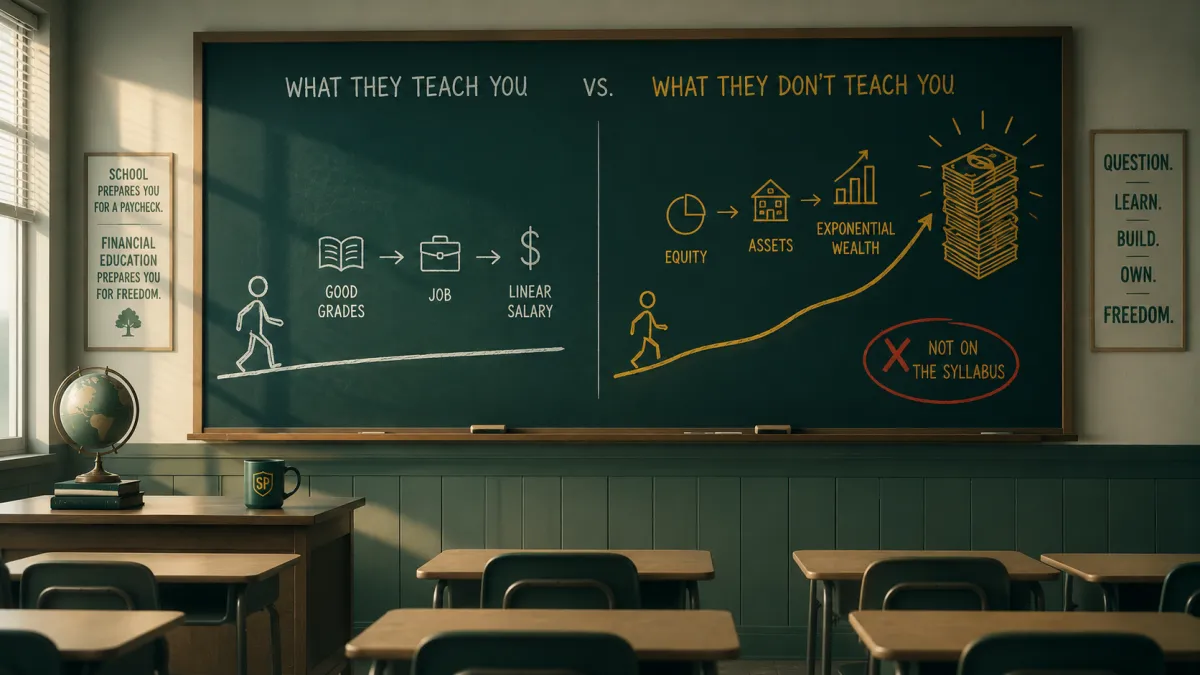
The Wealth Gap Between Employees and Owners: The Lesson Most Schools Never Teach

Western Retirement Culture vs Asian Wealth Culture